
 See My Latest Article on HelloNation
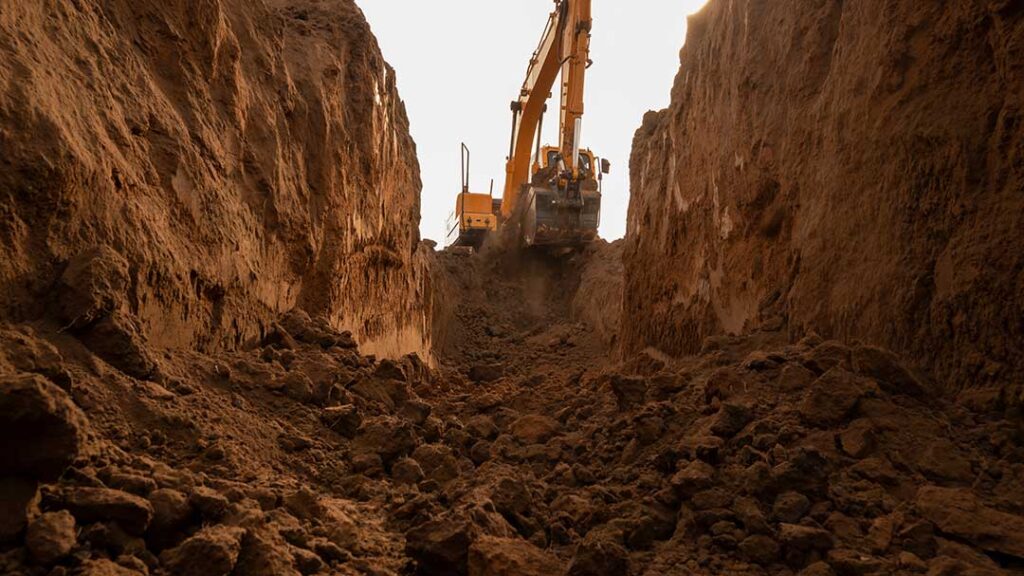
Excavation is more than digging a hole. It involves removing, moving, shaping, or replacing soil and rock to prepare land for a structure, drainage system, utility line, driveway, landscape feature, or repair.
For residents in Concord, NY, the right type of excavation depends on the project’s purpose, soil conditions, access to the property, drainage needs, and the depth of the work. Understanding the basic categories makes it easier to plan safely and recognize which factors may affect a project.
What are the main types of excavation?
The major types include topsoil excavation, earth excavation, rock excavation, trench excavation, basement or foundation excavation, drainage excavation, and grading or site excavation. Some projects use more than one type.
The terms describe either the material being removed, the shape of the excavation, or the purpose of the work.
What is topsoil excavation?
Topsoil excavation removes the upper layer of soil that contains organic matter, roots, grass, and other plant material. This layer is often unsuitable for supporting a foundation, retaining wall, driveway, or other heavily loaded surface.
Topsoil may be removed for:
- Building foundations
- Driveways and parking areas
- Patios and walkways
- Drainage improvements
- Lawn renovation
- Utility installation
The removed soil is not always waste. Clean topsoil may be useful for later landscaping, but it should be stored separately from subsoil, gravel, clay, and construction debris. Mixing materials can make it harder to reuse the soil and may reduce its value for planting.
In areas with established trees, excavation near the root zone can cause long-term damage even if the trunk is not disturbed. Tree roots often extend beyond the visible canopy, so project limits should be planned carefully.
What is earth excavation?
Earth excavation involves removing soil below the topsoil layer. This may include sand, clay, loam, gravel, fill, or a mixture of materials.
Earth excavation is common for:
- Building pads
- Foundations
- Septic or utility work
- Driveway preparation
- Retaining wall construction
- Swales and drainage channels
- Regrading sloped yards
The soil may not be consistent from one part of a property to another. Older fill, buried construction material, wet soil, or loose layers can create different digging conditions within a short distance.
In Concord, seasonal freeze and thaw can also affect soil moisture and stability. Work performed during a wet period may leave ruts, soft areas, or compacted soil that later drains poorly. Excavated areas may require staged backfilling and compaction rather than simply being covered with loose dirt.
What is rock excavation?
Rock excavation removes solid or fractured rock that cannot be removed efficiently with ordinary digging equipment. It may involve large stones, ledge, shallow bedrock, or buried rock deposits.
Rock excavation can affect a project in several ways:
- It may slow the work and require specialized equipment.
- Removing rock can create vibration or noise.
- Fractured rock may be unstable along excavation walls.
- Rock disposal can be difficult because it is heavy and takes up considerable space.
- Subsurface rock can change the planned depth or location of a foundation or drainage feature.
Not every large object found underground is bedrock. Some properties contain buried concrete, old foundation remnants, stone walls, or construction debris. The removal method should account for nearby buildings, wells, septic components, utilities, and sensitive landscaping.
What is trench excavation?
Trench excavation creates a narrow, elongated cut that is deeper than it is wide. It is commonly used for underground utilities and drainage systems.
Typical examples include trenches for:
- Water lines
- Electrical conduits
- Communication lines
- Gas service
- Sewer connections
- French drains
- Downspout extensions
- Foundation drainage
A trench may appear simple, but narrow excavations can be among the most hazardous types of earthwork. Soil can collapse suddenly, especially when the ground is wet, disturbed, or affected by nearby traffic or structures.
New York excavation safety rules generally require protective measures for workers in deeper trenches, along with safe access and exit. A trench should never be entered casually, even if it looks stable. The depth, soil type, weather, nearby loads, and duration of the opening all matter.
What is foundation or basement excavation?
Foundation excavation removes soil to create space for a building’s footings, foundation walls, slab, crawl space, or basement. It is usually deeper and more carefully controlled than ordinary grading.
This type of excavation must account for:
- Finished floor elevation
- Footing depth
- Soil bearing capacity
- Groundwater
- Temporary slope stability
- Waterproofing and drainage
- Clearance for forming and foundation work
- Backfill material and compaction
A foundation excavation may require shoring, sloping, benching, or other protective methods. Excavated soil should not be piled directly beside the edge because its weight can place pressure on the excavation wall.
For homes with basements, water management is especially important. Footing drains, exterior waterproofing, sump systems, and properly directed surface runoff work together. A deep hole alone does not solve a water problem.
What is drainage excavation?
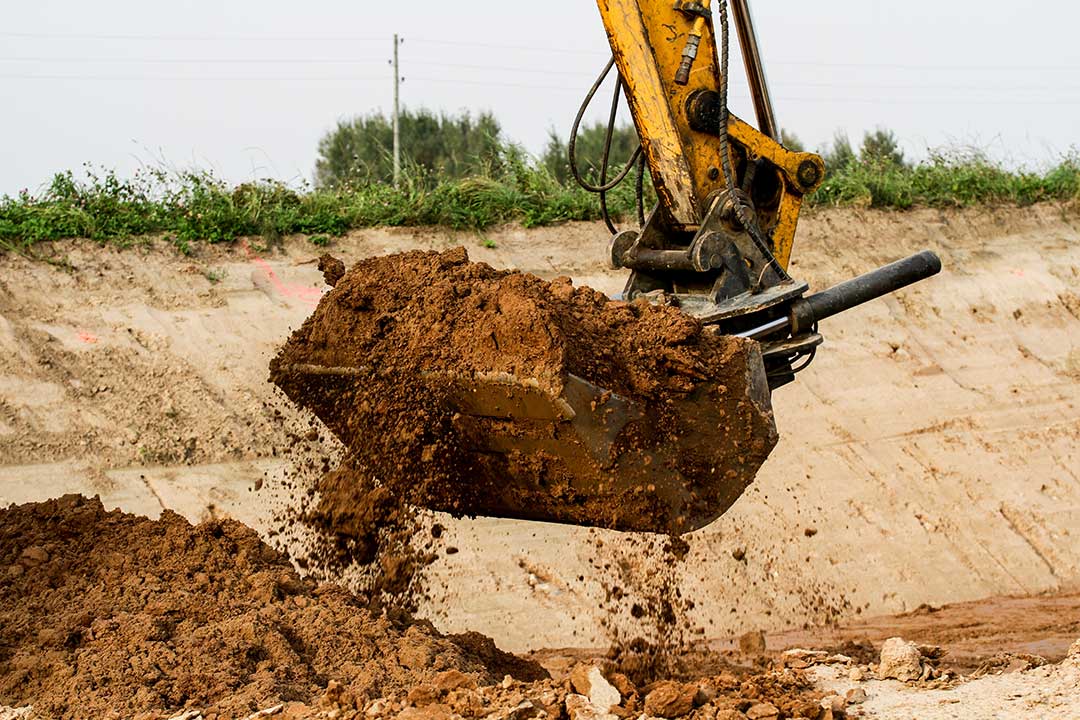
Drainage excavation shapes the ground or creates underground pathways that move excess water away from buildings, driveways, yards, or low areas.
Common drainage projects include:
- Swales
- French drains
- Dry wells
- Catch basins
- Culvert crossings
- Foundation drain repairs
- Ditches and outlet channels
Drainage excavation must be based on where water comes from, where it collects, and where it can legally and safely discharge. Moving water from one part of a property may create erosion, icing, flooding, or damage on another part.
The slope must be gradual and consistent enough to maintain flow without washing out the soil. Gravel, geotextile fabric, perforated pipe, riprap, or other materials may be used depending on the design and soil conditions.
What is grading and site excavation?
Grading changes the elevation or slope of the land. It may involve cutting down high areas, filling low areas, or preparing a level surface for construction.
Site excavation and grading are used for:
- Building sites
- Driveways
- Lawns
- Walkways and patios
- Equipment areas
- Septic systems
- Stormwater control
A properly graded surface should direct water away from structures while avoiding concentrated runoff toward neighboring properties, roads, or unstable slopes.
A common misconception is that a level yard is always the goal. In practice, controlled slopes are often necessary for drainage. The goal is usually a stable surface with predictable water movement, not a completely flat property.
What should residents check before digging?
Before any excavation, identify the project limits, expected depth, soil conditions, drainage path, and location of nearby structures. Utility marking is essential.
Residents should:
- Contact the appropriate New York one-call utility locating service before digging.
- Wait for marked utilities and follow the required timing instructions.
- Remember that public utility markings may not identify private lines installed on the property.
- Check whether building, zoning, driveway, wetland, erosion, or stormwater approvals may apply.
- Keep children, pets, vehicles, and bystanders away from open excavations.
- Avoid working in unstable, water-filled, or unsupported trenches.
- Plan how excavated soil will be stored, reused, or removed.
- Protect nearby foundations, retaining walls, trees, wells, septic components, and drainage features.
Utility marks are approximate rather than a substitute for careful digging. Hand excavation may be required near marked lines, and privately installed systems may need separate locating.
How do residents choose the right excavation approach?
Start with the purpose of the work rather than the equipment. A trench for a water line has different requirements from a broad excavation for a basement. A drainage swale has different goals from a driveway base.
The key questions are:
- What material must be removed?
- How deep and wide must the excavation be?
- Is the ground wet, filled, sloped, frozen, or rocky?
- Where will water go during and after the work?
- What structures or utilities are nearby?
- How will the excavation be protected and restored?
Understanding these distinctions helps property owners ask better questions, anticipate site conditions, and avoid treating every digging project as ordinary soil removal.